
Forum Replies Created
- AuthorPosts
Hundreds of thousands of people are displaced as fighting continues between government forces and the Tigray People’s Liberation Front in northern Ethiopia, threatening the stability of a volatile region. Cameron Hudson, senior fellow at the Atlantic Council’s Africa Center and former director for African affairs at the National Security Council joins to discuss the conflict and its impact.

Hari Sreenivasan:
For more on the continuing conflict in Ethiopia and the impact it is having on the region, I spoke with Cameron Hudson, a senior fellow with the Atlantic Council’s Africa Center and former Director for African Affairs at the National Security Council during the George W. Bush administration.
Cameron, we’ve been reporting on the momentary kind of strife that’s been happening on a weekend by weekend basis, but if you could explain for us, put this in perspective, what is the conflict about?
Cameron Hudson:Well, the conflict is really about kind of ethnic federalism.
Ethiopia is made up of 10 different ethnic regions and a lot of autonomy has been devolved down to that regional level. And as part of Prime Minister Abiy’s kind of overall democratic reform process, he really sought to erase a lot of those ethnic differences in the country and promoted a kind of pan-Ethiopian nationalism, almost. And I think what you’re seeing here, certainly in the Tigray region, which is traditionally where the power center has been in the country, is a feeling that they have been sort of capsid in the political process in the country. And you’re seeing now a kind of more formalized agitation for a return to kind of ethnic federalism and the promotion of ethnic rights. And so, it is really part of a democratic reform process that Abiy has been undertaking, but which probably hasn’t had enough buy in from all of these ethnic minorities across the country.
Hari Sreenivasan:I mean, this is a person who won a Nobel Peace Prize. Yet here he is, part of a conflict that has displaced hundreds of thousands of people.
Cameron Hudson:The Nobel Prize was obviously for an international effort to heal wounds of the war with Eritrea, which took place in the late 1990s. What we’re seeing now, though, is Eritrea, as the partner in peace, may have now become the partner in war.
We have seen cooperation between Ethiopia and Eritrea and even the active involvement of the Eritrean forces in this conflict in Tigray. And so I think that with respect to the Nobel, people are asking whether it was premature. I think it was a kind of a hoped-for movement in a direction of peace. But what we’re seeing is his effort to make peace with Eritrea is not a reflection on his tactics domestically.
Hari Sreenivasan:What are the consequences for the countries surrounding this region as displaced people start to head for those borders?
Cameron Hudson:Well, it’s huge.
I mean, you cannot underestimate the, frankly, the beneficial role that Ethiopia has played in the region. It is the largest provider of peacekeeping forces on the continent of Africa, and it has played an essential role in conflicts in Somalia and Sudan in recent years. It is the largest provider of peacekeepers in the Somali conflict, which we as a US government have spent billions being a part of and trying to stabilize that country.
We’re on the precipice of seeing Ethiopian troops completely withdrawn from that theater in advance of of elections there. Obviously, they’ve also been a major peacemaker and mediator in conflicts in both Sudan, the revolution, the democratic revolution that’s been going on there and the civil conflict that took place in South Sudan just a few years ago.
So if we see Ethiopia move from the traditional role of peacemaker and mediator to a net exporter of instability, then you could see an entire region really, really destabilized going forward.
Hari Sreenivasan:Tell me a little bit about the humanitarian crisis that happens when all these people leave their homes.
Cameron Hudson:Well, right now, it’s really hard to assess the degree of the humanitarian crisis because the region has been so cut off to outside humanitarian assistance and even communications. So even though this week the U.N. reached an agreement with the Abiy government to allow humanitarian access into the region, we’ve seen that fighting up until today, up and through today, has really prevented those assessment missions from even getting eyes on the situation.
But we do know that even before this conflict started, this was an incredibly insecure region. As much as 20 percent of the population was food insecure, there were over a hundred thousand internally displaced — there are estimates now that there are a million internally displaced people.
We really only have access to about the 50,000 or so that have crossed the border in the last few weeks into Sudan. But when we know that there are pockets of of internally displaced that we are not able to access and the fears are growing, that those are populations that were surviving on international assistance, that international assistance has been cut off for the last month of fighting. And so we really don’t know what we’re going to find when we’re finally able to access those areas.
Hari Sreenivasan:If the fighting officially comes to an end, does that mean that the forces that are in opposition just literally head for the hills and fight from there?
Cameron Hudson:Well, that seems to be what’s happening right now. I mean, last weekend there was this very tense standoff around the regional Tigrayan capital of Mekelle, which was encircled essentially by federal government troops. The siege of Mekelle never happened because the Tigran leaders and have fled into the mountains surrounding the region.
I think we have to recall Ethiopia’s recent history. It fought a very long war against a communist Derg where the TPLF, the Tigrayan Party, essentially led a counterinsurgency campaign from the hills to overthrow this communist regime. And so I think there’s a great fear that they’re going to kind of return to their roots and not fight a conventional fight against federal government forces, but instead go to the mountains and try for a sort of asymmetrical warfare. And in that case, it might not be limited to the Tigray region. You could see conflict spilling over into other parts of the country, trying to draw in these other ethnic groups into the fight that they have started.
Hari Sreenivasan:Cameron Hudson, thanks so much for joining us.
Cameron Hudson:Thank you.
https://ethiopia.bz/
11th December 2020 at 11:33 am in reply to: The war in Tigray is being complicated by ideological ambitions #489The IRC regrets to confirm the killing of a staff member in Hitsats Refugee Camp in Shire, Ethiopia. We are deeply saddened by the tragic loss of our colleague; our in-country staff are the very heart of our work and are key in our ability to provide support and assistance to our clients.
 Communication with the area is extremely difficult and we are still working to gather and confirm the details surrounding the events that led to the death of our colleague.
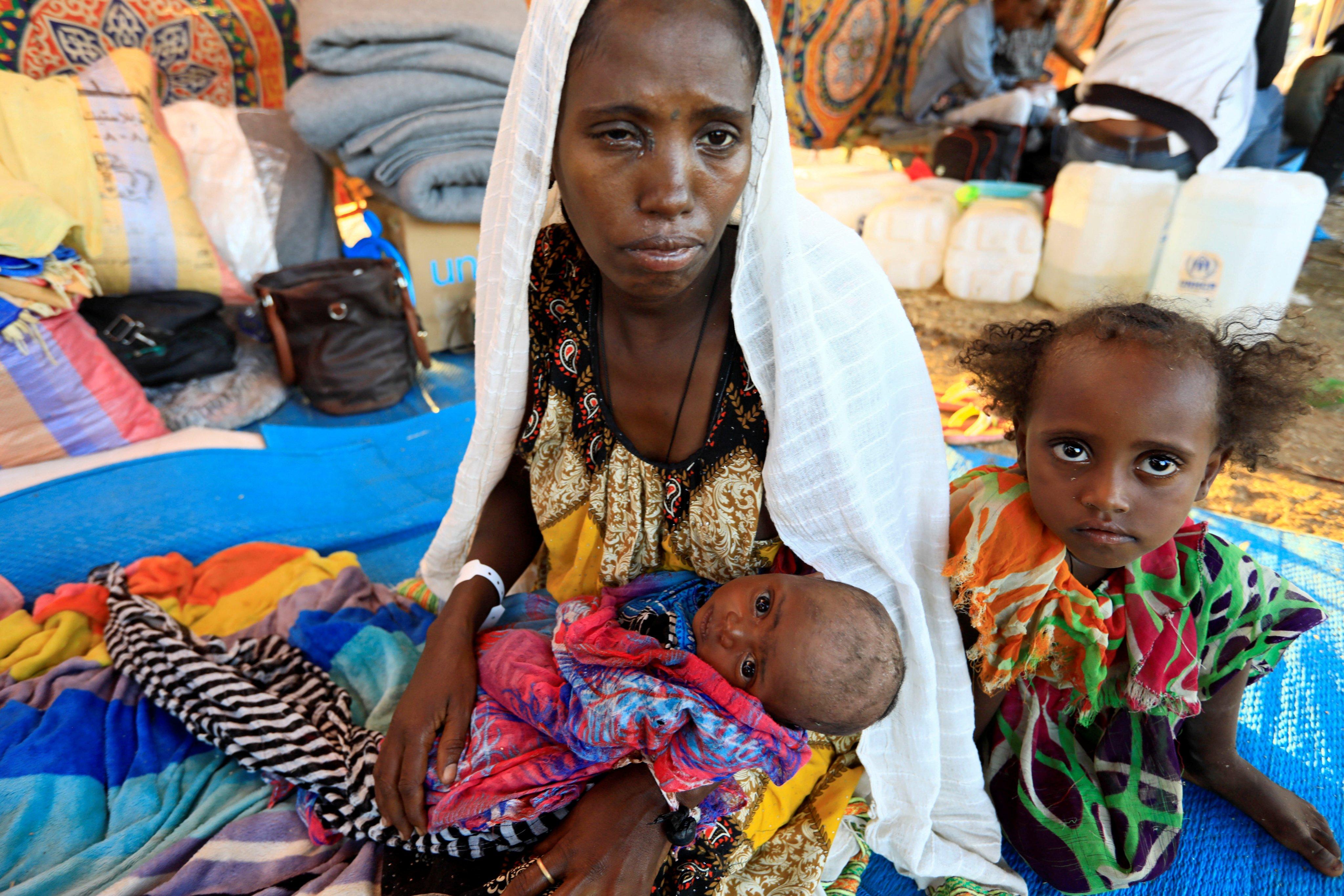
Ethiopia’s Tigray region has been experiencing an intense bout of conflict since early November, which has forced almost 50,000 people to seek refuge in Sudan. The IRC is working in Tigray to support 96,000 refugees in four camps with a range of services, including clean water, sanitation, and education.
We call on all parties to the conflict to agree to an immediate ceasefire and ensure civilians, including refugees and aid workers, are protected and able to continue to access and deliver life saving services.
https://ethiopia.bz/
11th December 2020 at 11:14 am in reply to: The war in Tigray is being complicated by ideological ambitions #488The Danish Refugee Council (DRC) is deeply saddened to confirm the death of three colleagues in Tigray Region, Ethiopia last month. DRC’s humanitarian workers are at the forefront of the humanitarian imperative to provide assistance to those in need, and these colleagues – who worked as guards in one of our project sites – were an integral part of DRC’s work in Ethiopia. Sadly, due to the lack of communications and ongoing insecurity in the region, it has not yet been possible to reach their families. We will continue all efforts to reach them and ensure that they receive support.

The safety and security of our humanitarian workers is a top priority for DRC, and we are doing all we can to keep them safe in the current challenging circumstances. Our staff serve critical functions to deliver support to vulnerable populations in need. DRC urges all parties to respect international humanitarian law, including the protection of both civilians and humanitarian aid workers. We extend our heartfelt condolences to all those affected.
https://ethiopia.bz/
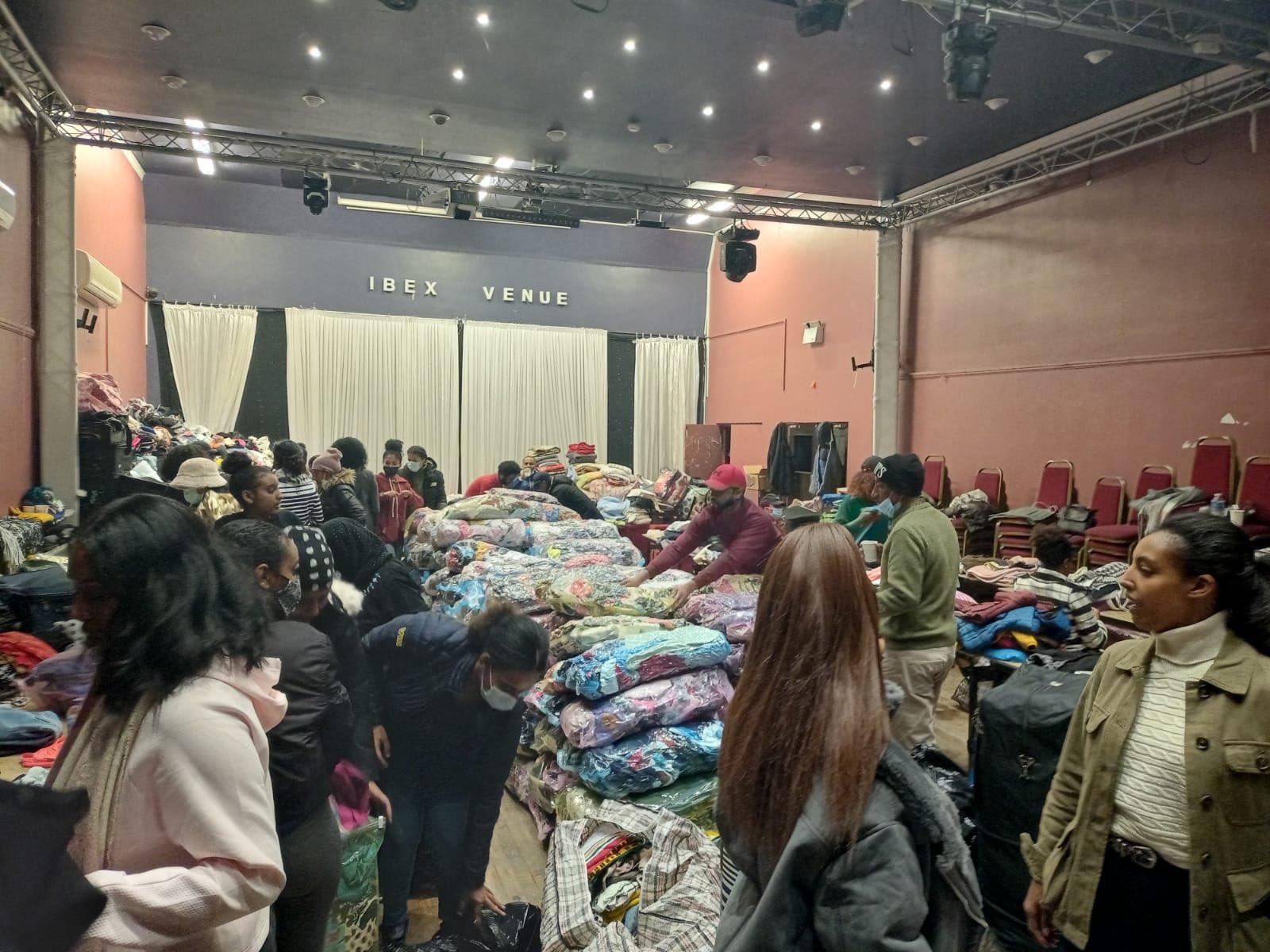
5th December 2020 at 9:16 pm in reply to: The war in Tigray is being complicated by ideological ambitions #4395th December 2020 at 9:07 pm in reply to: The war in Tigray is being complicated by ideological ambitions #4385th December 2020 at 8:55 pm in reply to: The war in Tigray is being complicated by ideological ambitions #4375th December 2020 at 8:26 pm in reply to: The war in Tigray is being complicated by ideological ambitions #431Our selfless volunteers from the Tigray community in London, U.K sorting and folding donations that will be sent to Sudan on Tuesday for the displaced people of Tigray as a result of Abiy Ahmed Ali war waged on the innocent people of Tigray.

Thank you so much Tigray citizens who live in UK for your contribution this greatest things to our people. Amazing work for love of people, humanity and the resilient people of Tigray!!
https://ethiopia.bz/
4th December 2020 at 9:30 pm in reply to: The war in Tigray is being complicated by ideological ambitions #415The Ethiopian, who possesses one of the silkiest running styles and deadliest kicks in history (and subsequent biggest smiles), won three Olympic golds and nine world titles.

Tirunesh Dibaba, Olympic and world champion in the women’s 5,000m and 10,000m, there is no one in the world like her…….
For those who remember her as a baby-faced assassin, it’s hard to fathom that Tirunesh Dibaba has now reached veteran status at the age of 35.
The Ethiopian, who possesses one of the silkiest running styles and deadliest kicks in history (and subsequent biggest smiles), won three Olympic golds and nine world titles.
In terms of track world titles, Dibaba won the 5000m and 10,000m double in 2007 with respective last laps of 58.2 and 58.4, as well as winning the 10,000m title in both 2007 and 2013 and the 2017 10,000m silver.
Between 2005 and 2012, she won 12 successive races over 25 laps.
https://ethiopia.bz/
4th December 2020 at 2:30 pm in reply to: The war in Tigray is being complicated by ideological ambitions #4034th December 2020 at 2:09 pm in reply to: The war in Tigray is being complicated by ideological ambitions #402UNHCR, the UN Refugee Agency, stands ready to resume its full humanitarian activities in the Tigray region as soon as the situation allows, following an agreement to restore access.

The agreement was reached recently between the UN in the country and the Federal Government to facilitate access to aid organizations to provide assistance to civilians affected by the month-long conflict.
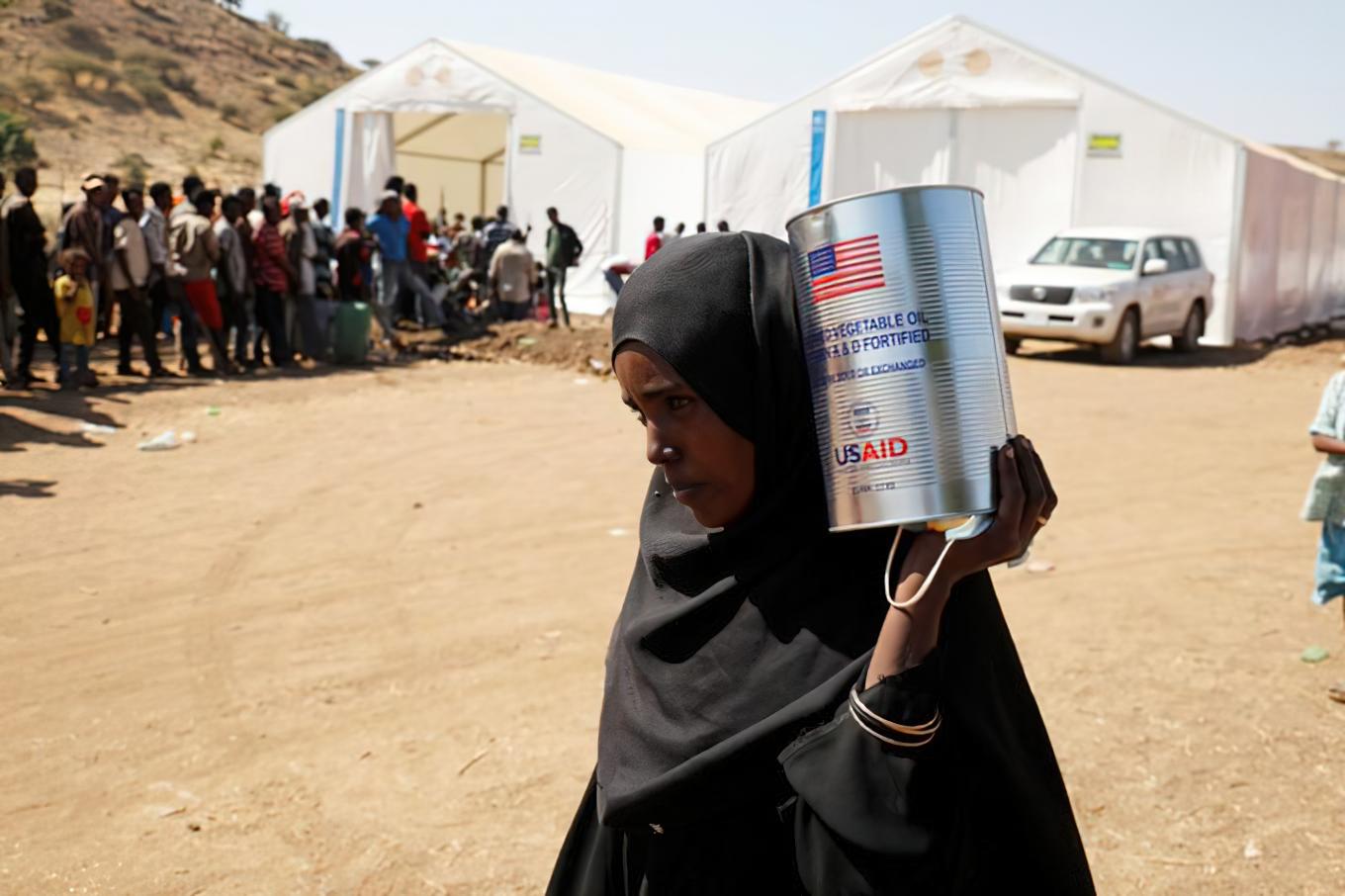
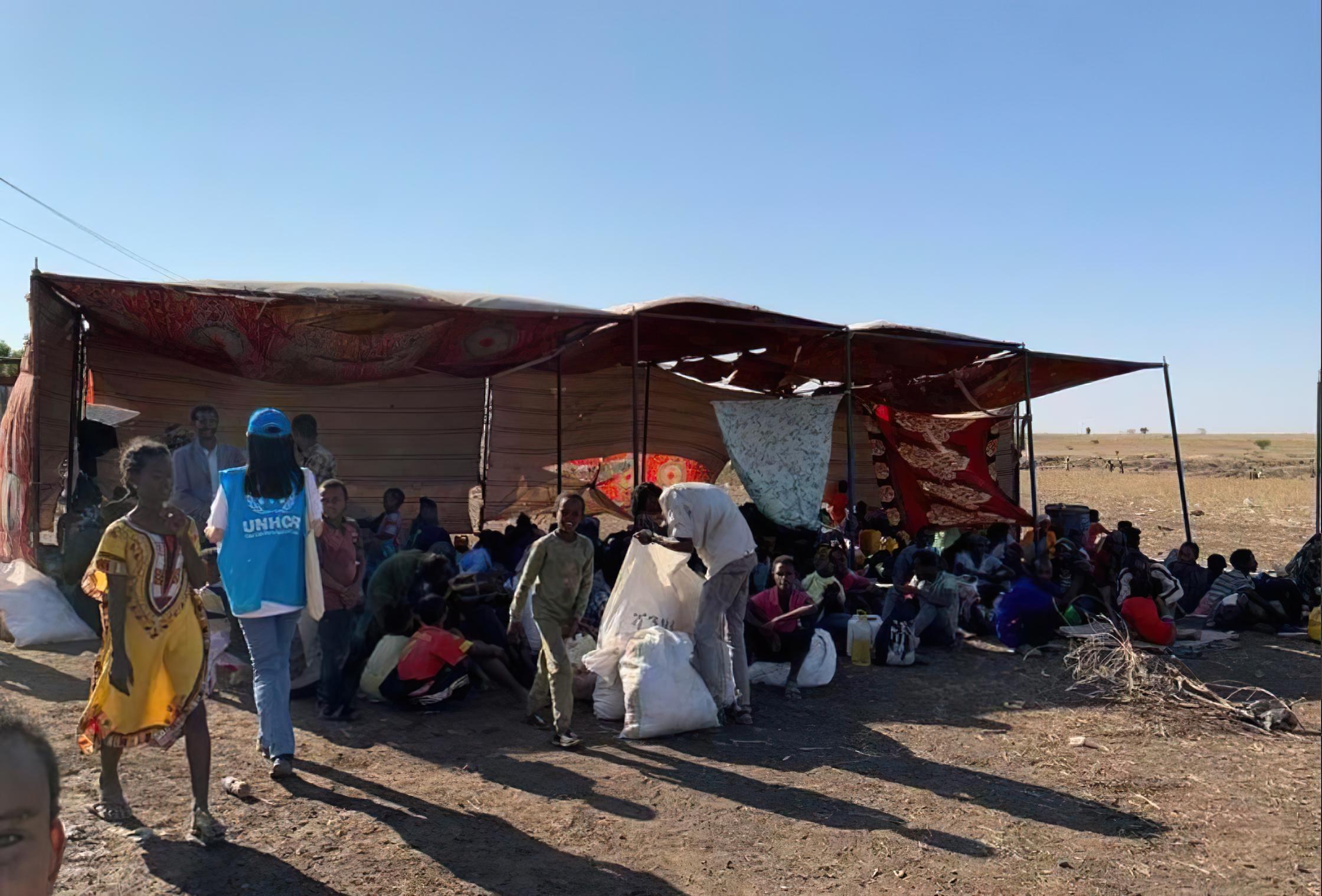
In Shire in Tigray, UNHCR staff in the town together with partners have already distributed water, high energy biscuits, clothes, mattresses, sleeping mats and blankets to an estimated 5,000 internally displaced.
However, we continue to receive disturbing reports regarding the Eritrean refugee camps in the region, which remain incommunicado. The details of damages and disruptions remain unknown until we are able to reach them and verify the information.
UNHCR is discussing with the federal government’s refugee agency on logistics arrangements, and the need to assess the security situation before the resumption of humanitarian activities.
Fears are that many Eritrean refugees may have already fled the camp in search of safety.
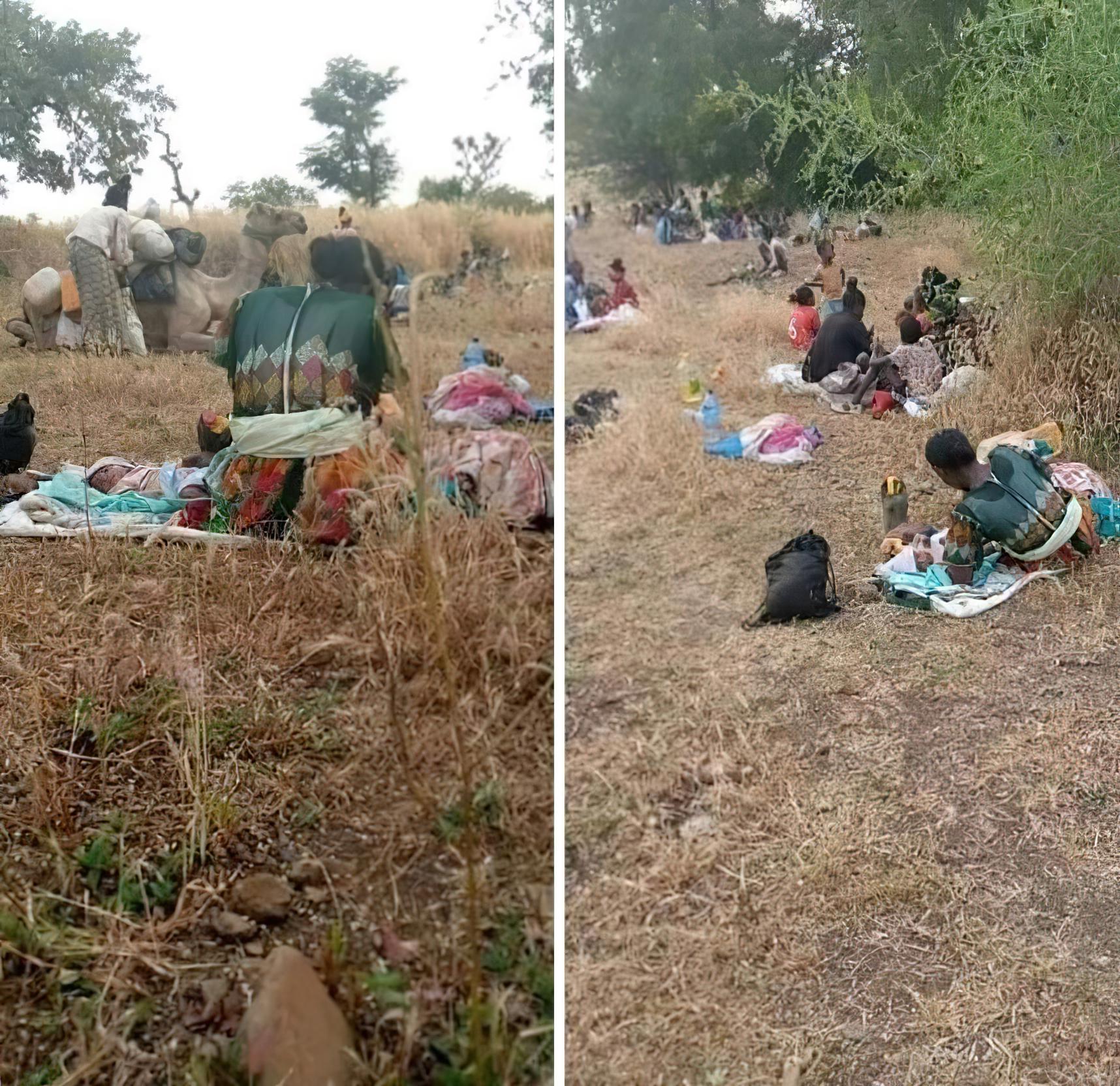
Meanwhile, inside neighbouring Sudan, Ethiopian refugee arrivals continue with the total number have now crossed 47,000. More than 1,000 arrived yesterday, the majority in the evening. Refugees are telling UNHCR of more people on the move in search of safety. A small number of Eritrean refugees have also arrived from the Tigray region in recent days.
UNHCR, together with the Sudanese authorities, has moved some 11,150 refugees from Hamdayet and Abderafi border points to Um Rakuba camp – 70 kilometres away from the Ethiopian border.
Many refugees say they prefer to remain near the border to wait for family members still in Ethiopia, or in hopes they will be able to return home soon – including farmers, who have fled during the harvesting season. But refugees also say they are fearful of more violence inside Tigray.
https://ethiopia.bz/
4th December 2020 at 1:59 pm in reply to: The war in Tigray is being complicated by ideological ambitions #401The fighting in Tigray Province in northern Ethiopia has been going on for a month. Thousands of people are believed to have been killed and tens of thousands have fled to neighboring Sudan. On one side of the conflict is the “Liberation Front of the Tigrean People”, TPLF, which wants more self-determination. The movement ruled Ethiopia for 27 years, between 1991 and 2018. On the other side is the government and Prime Minister Abiy Ahmed. When Abiy Ahmed came to power in 2018, the TPLF felt marginalized. Leaders of the movement were fired and accused of corruption.

They retreated to their home province of Tigray in the north. After a long period of tension, it exploded into a war in early November. TPLF has its own army, a lot of weapons and great war experience. In addition, they have a lot of self-confidence because it was the TPLF that overthrew the dictator Mengistu. They seem to be convinced that they are strong enough to take on the entire Ethiopian army.
But Prime Minister Abiy Ahmed, who was awarded the Nobel Peace Prize in 2019, has been adamant in his rhetoric and actions. He says he does not want to negotiate until the TPLF is defeated and disarmed. Announced the operation completed After several weeks of fierce fighting, government forces captured Tigray’s provincial capital Mekele last weekend, and Prime Minister Abiy announced that the operation was now complete.
Telephone and internet have been completely turned off in Tigray. In some places it will be running again, but it is still difficult to know exactly what is happening in the region. But according to information that has come out, fighting is still going on in several places in the province. And refugees continue to come to Sudan. When the rebels lost control of the provincial capital, they took refuge in the countryside and up in the mountains.
TPLF does not give up According to TPLF’s leader Debretsion Gebremichael, the group will not give up. He says his forces will continue to fight for their right to self-determination. It is likely now that the TPLF will go on to wage a guerrilla war against the central government. The “Liberation Front of the Tigranian people” has long experience of guerrilla warfare during the 1980s when they fought against the Marxist government.
Then as now, they can take advantage of the inaccessible terrain with mountains and ravines, where only those with local knowledge can find. The war in Tigray may be going on for a long time to come.
https://ethiopia.bz/
4th December 2020 at 1:50 pm in reply to: The war in Tigray is being complicated by ideological ambitions #4003rd December 2020 at 11:10 pm in reply to: The war in Tigray is being complicated by ideological ambitions #393Reports of tension between people of Tigray in Mekelle
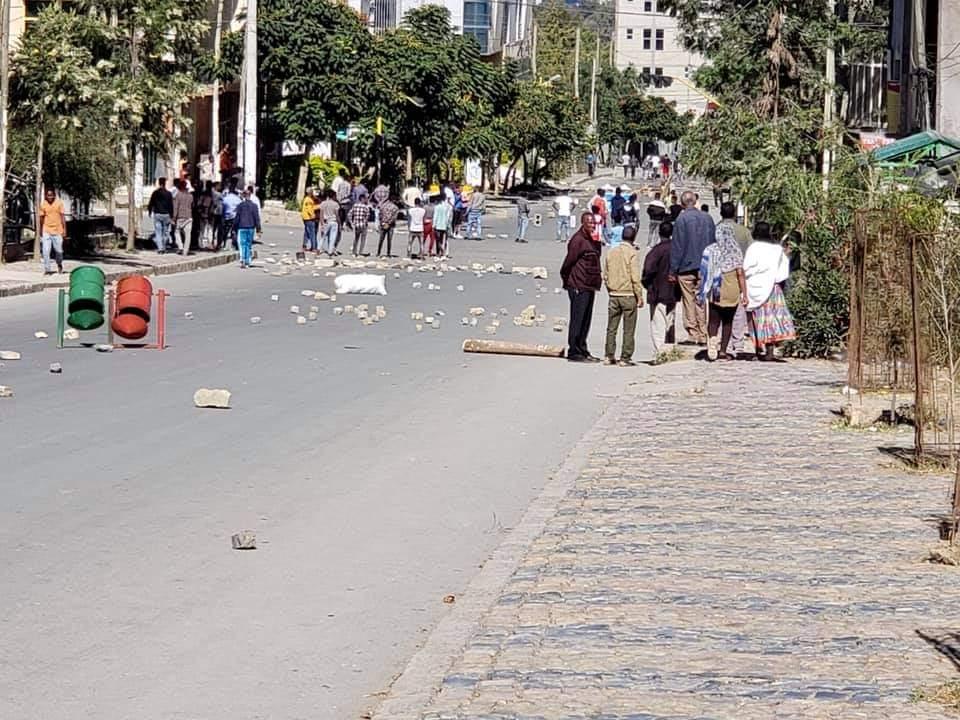
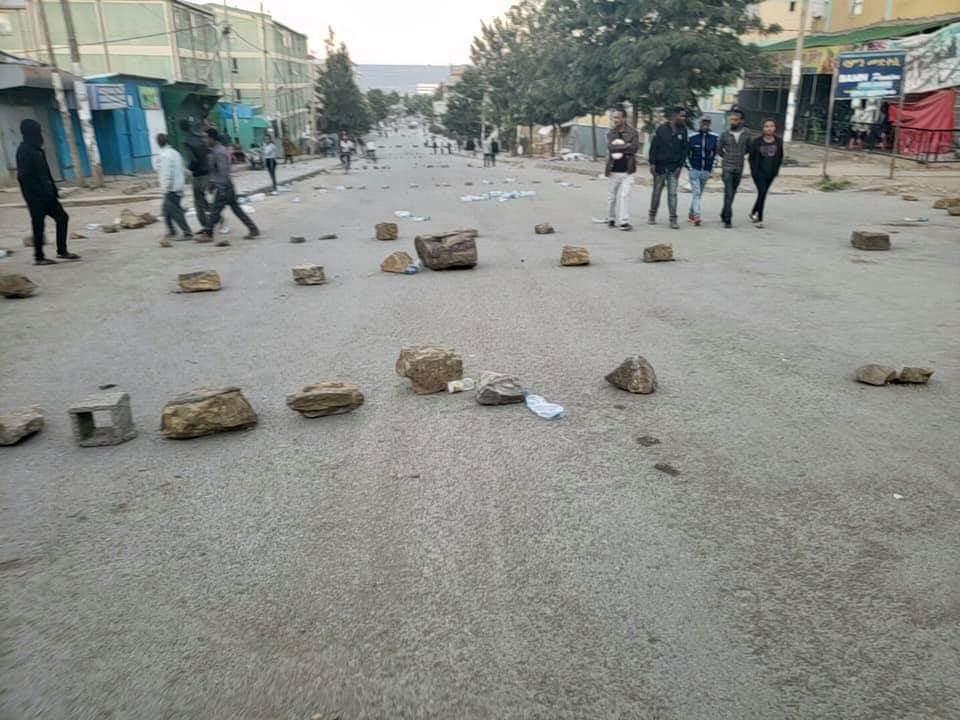
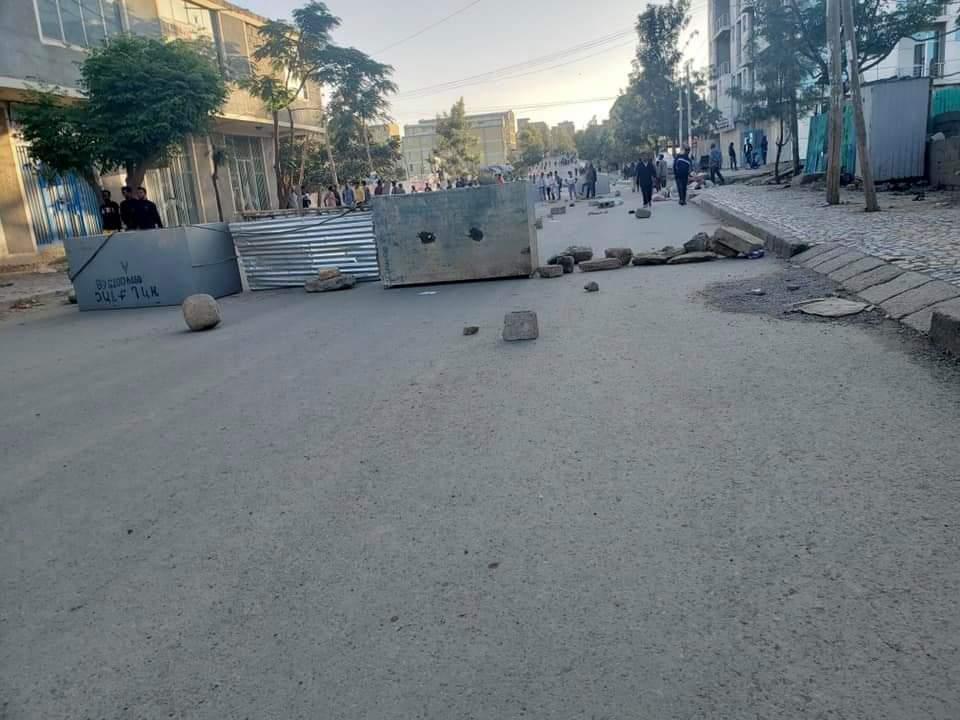
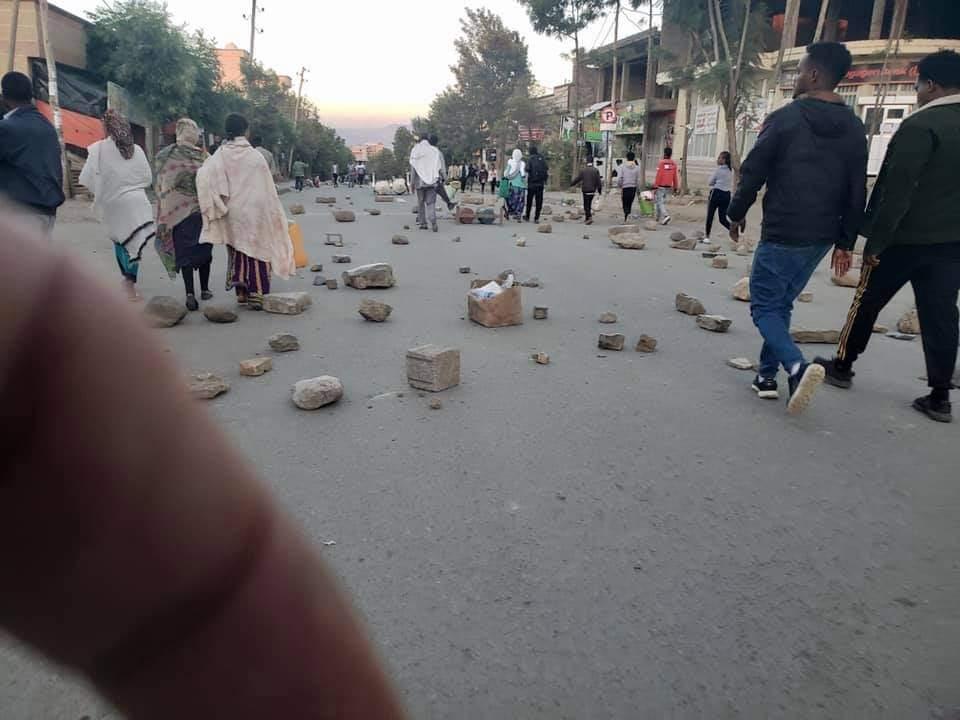
All roads are blocked in the capital. Tegaru are fighting the invasion in every way. Furthermore, as the fight continues, areas around Endabaguna have been liberated from enemy forces.
It is being reported People of Mekelle are out in the streets blocking all roads, confronting the armed Eritrean troops & Amhara militias who brought hundreds of trucks and started to loot public and private properties. This may easily escalate to a decimation.
More than 20 Eritrean Army commands appr. 6000 men each-infantry and mechanized-fighting in Tigray, a minimum 120,000 have swarmed Tigray.
I want everyone to understand How Tigray people see the war in Ethiopia Tigray. The war is between Invaders and Tigray people.Everyone in Tigray is fighting to protect their lands, rights, self-rule, and self-determination. If you don’t know about it now you know.
The people of Tigray are speaking you are not welcome, you are aggressors!!
https://ethiopia.bz/
3rd December 2020 at 8:42 pm in reply to: The war in Tigray is being complicated by ideological ambitions #3923rd December 2020 at 8:24 pm in reply to: The war in Tigray is being complicated by ideological ambitions #391- AuthorPosts
 Communication with the area is extremely difficult and we are still working to gather and confirm the details surrounding the events that led to the death of our colleague.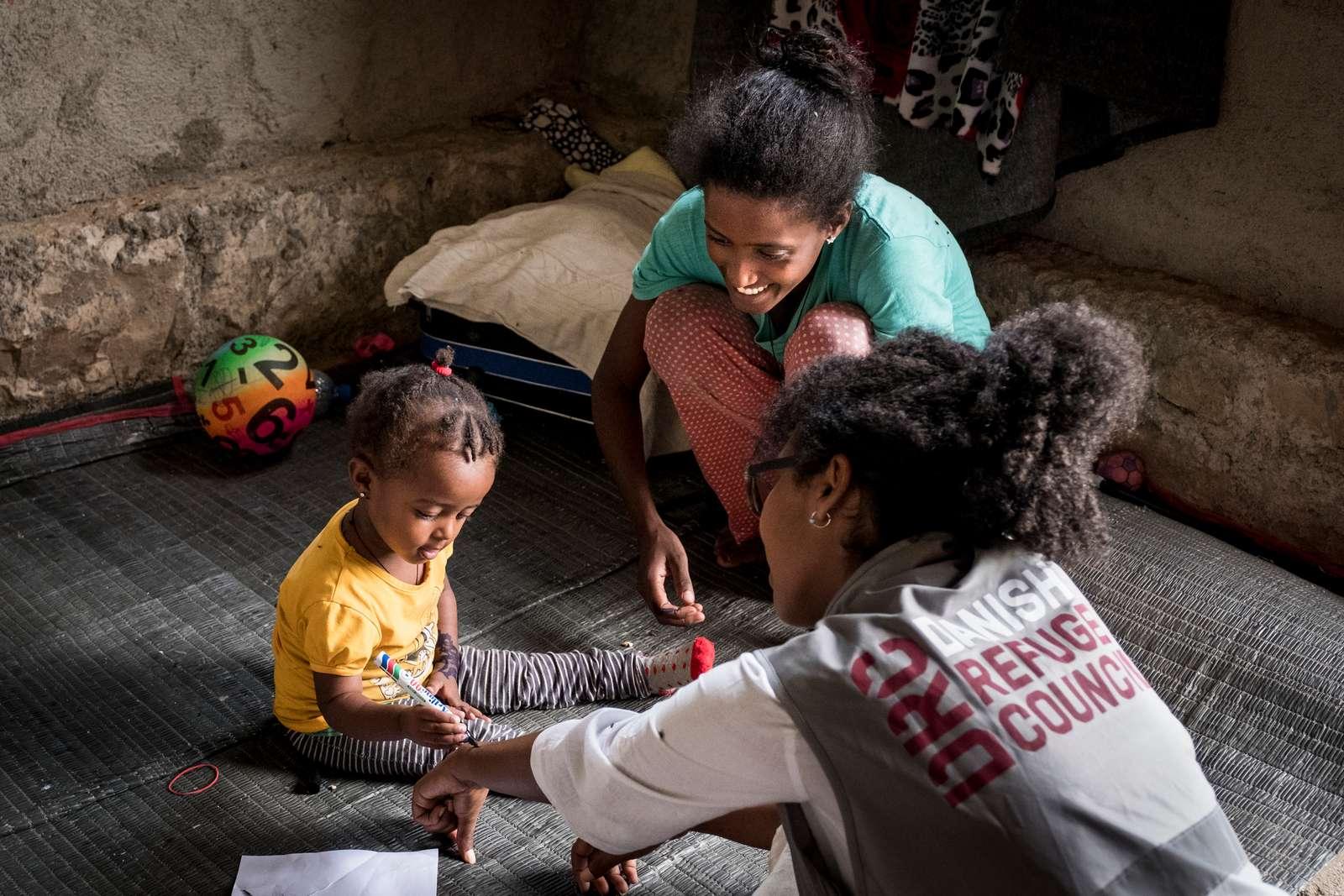
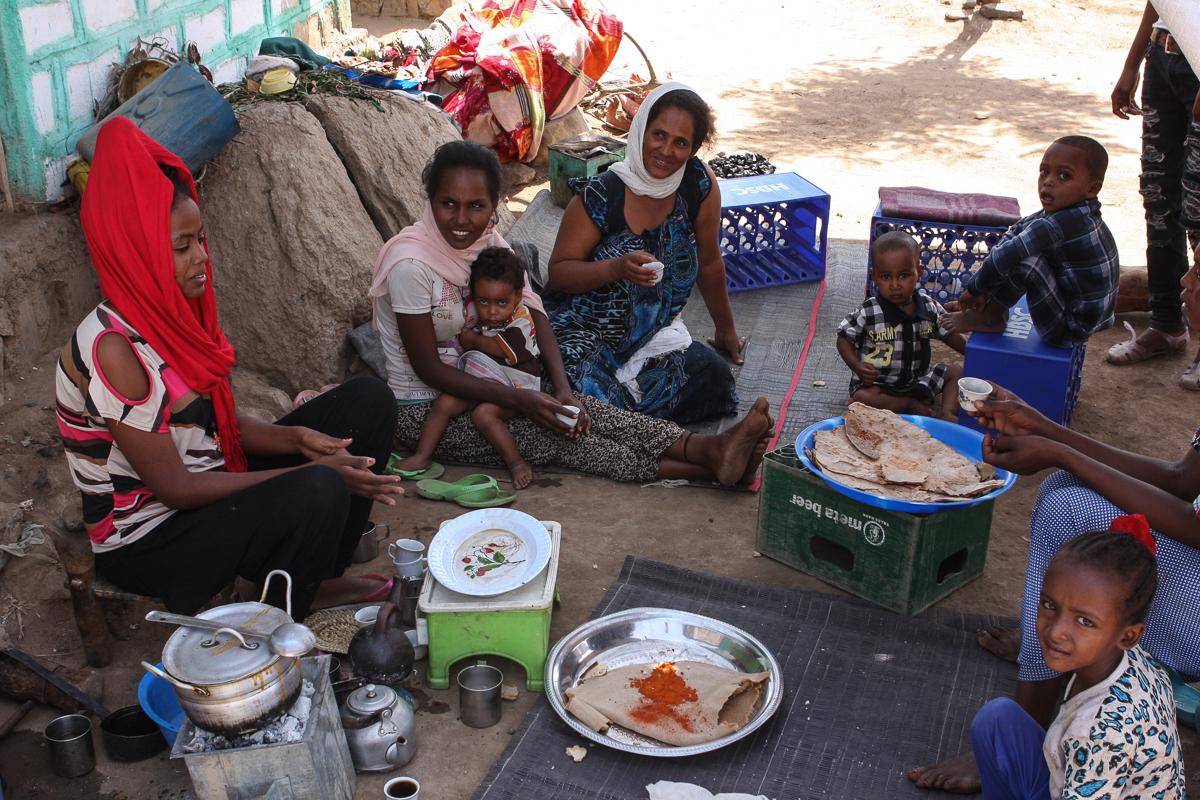
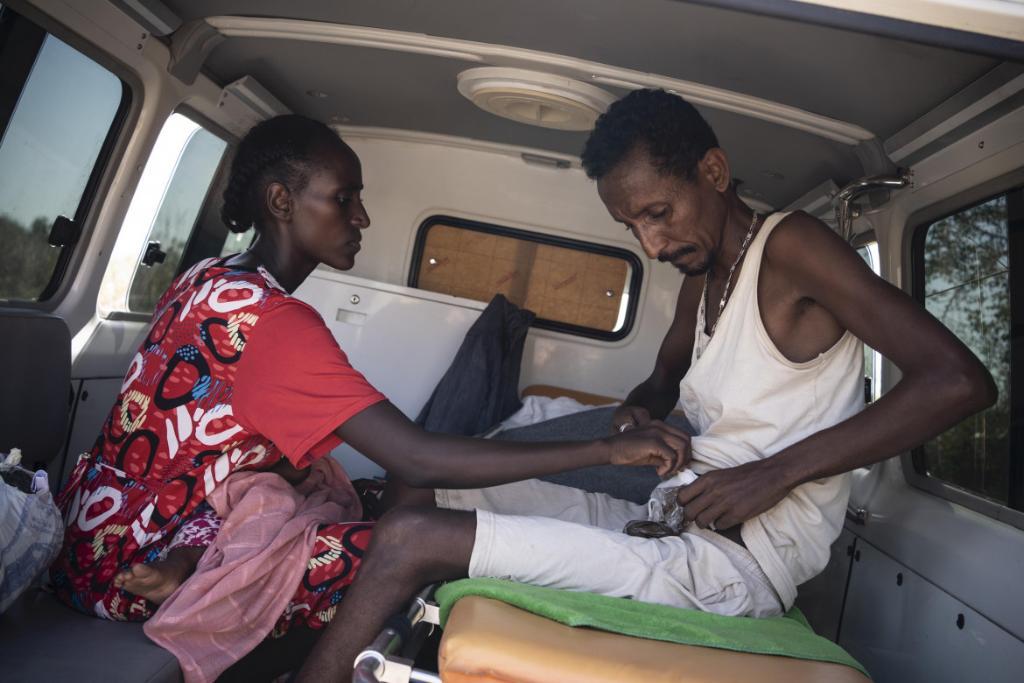 His wife, Yayish, found him wounded. They fled with their daughter in a small cart with their donkeys to Sudan.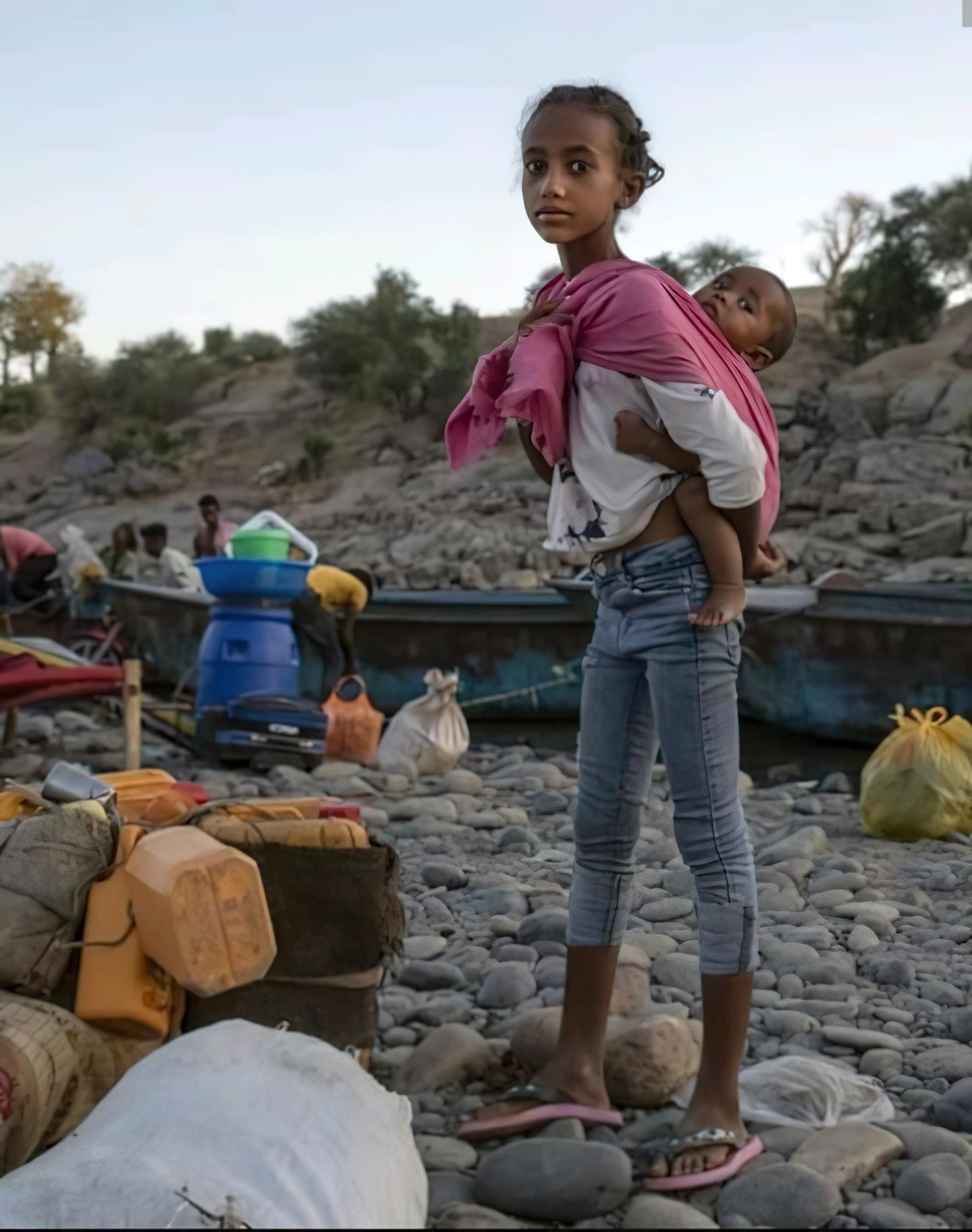

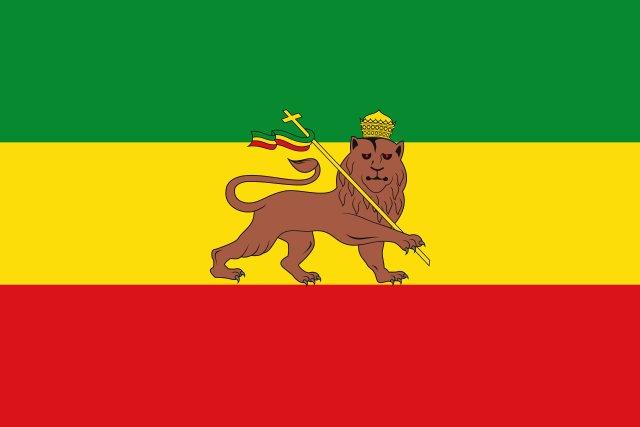
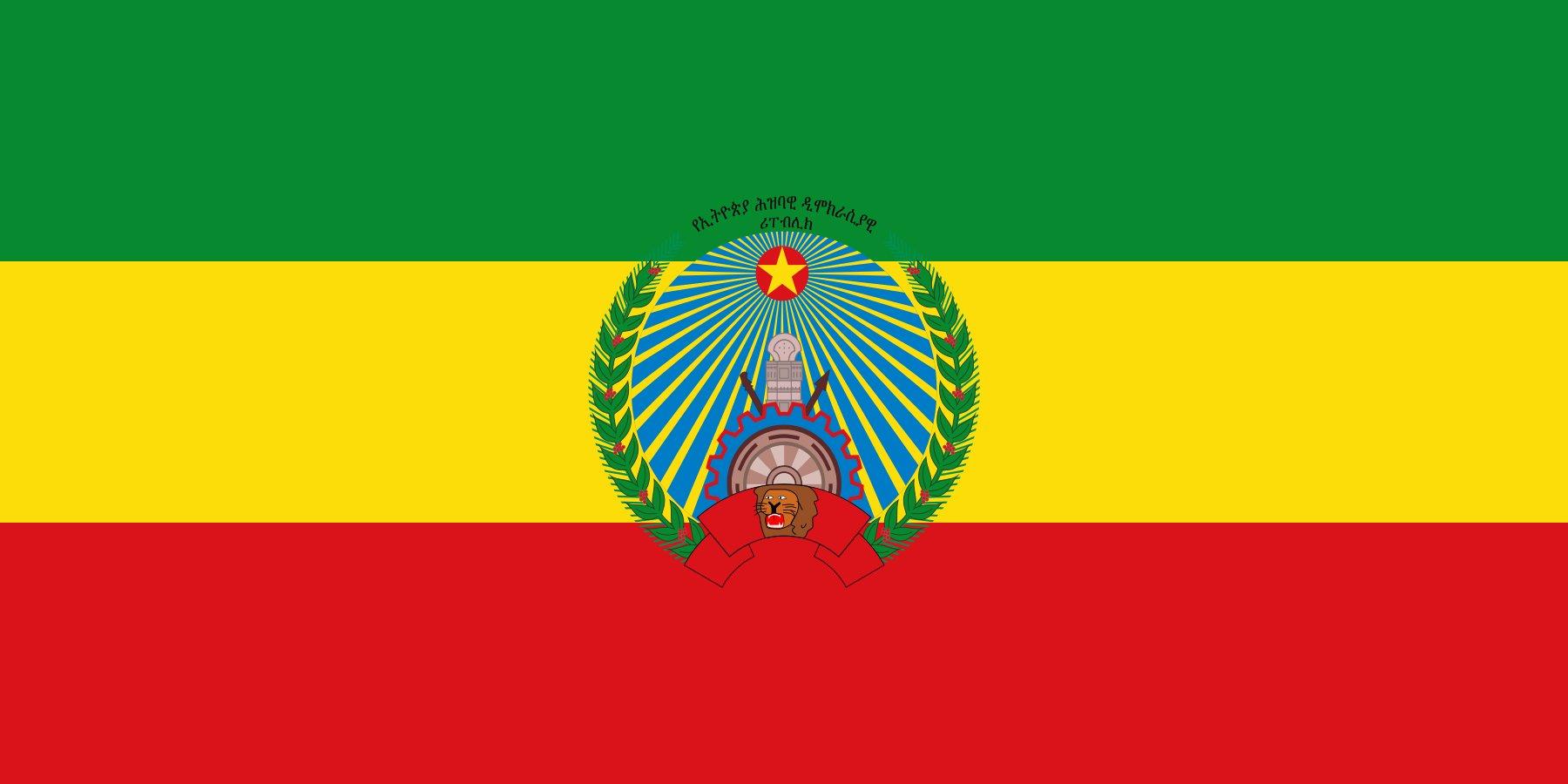 Flag of Federal Democratic Republic of Ethiopia.

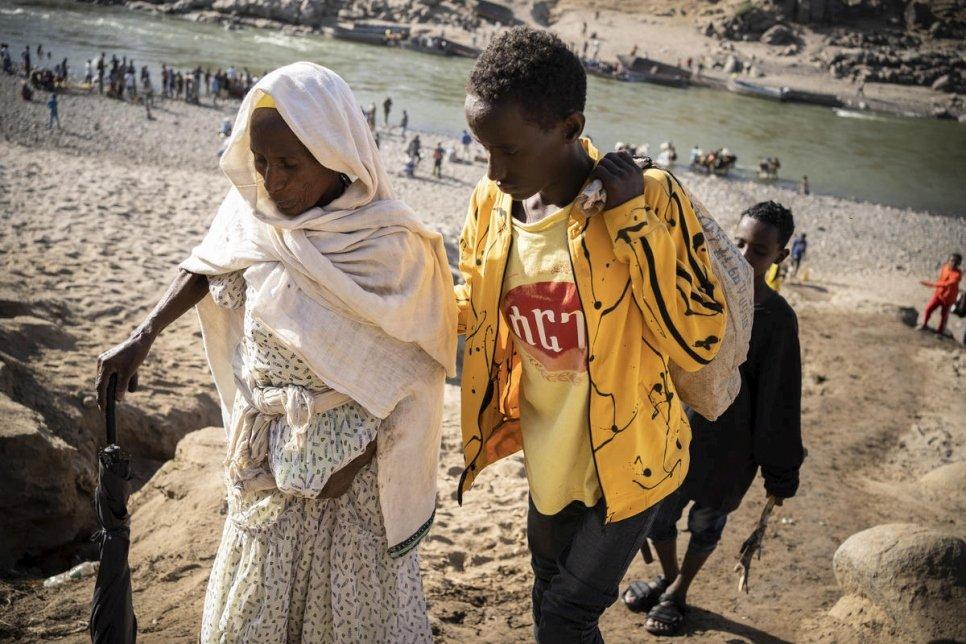
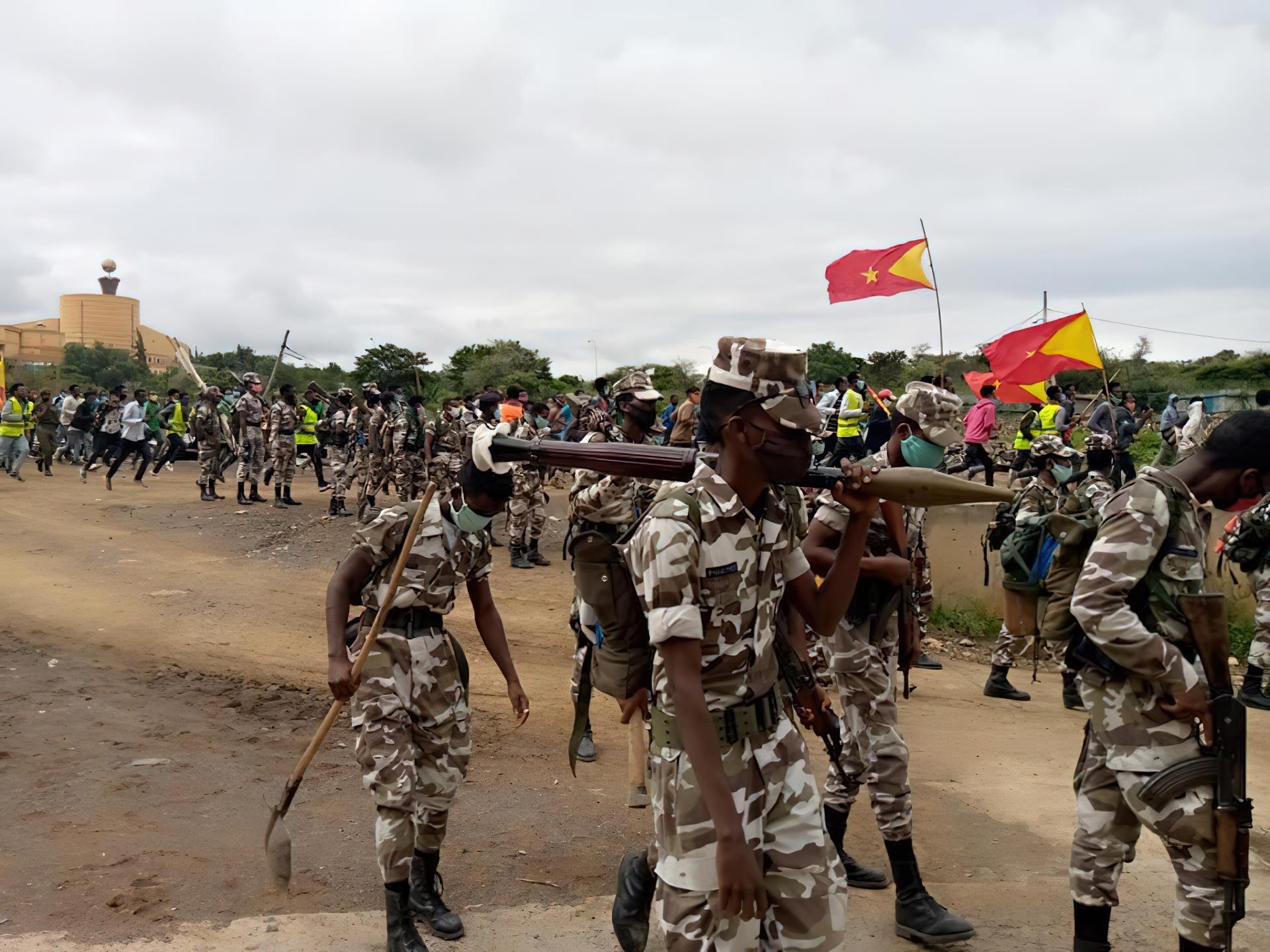
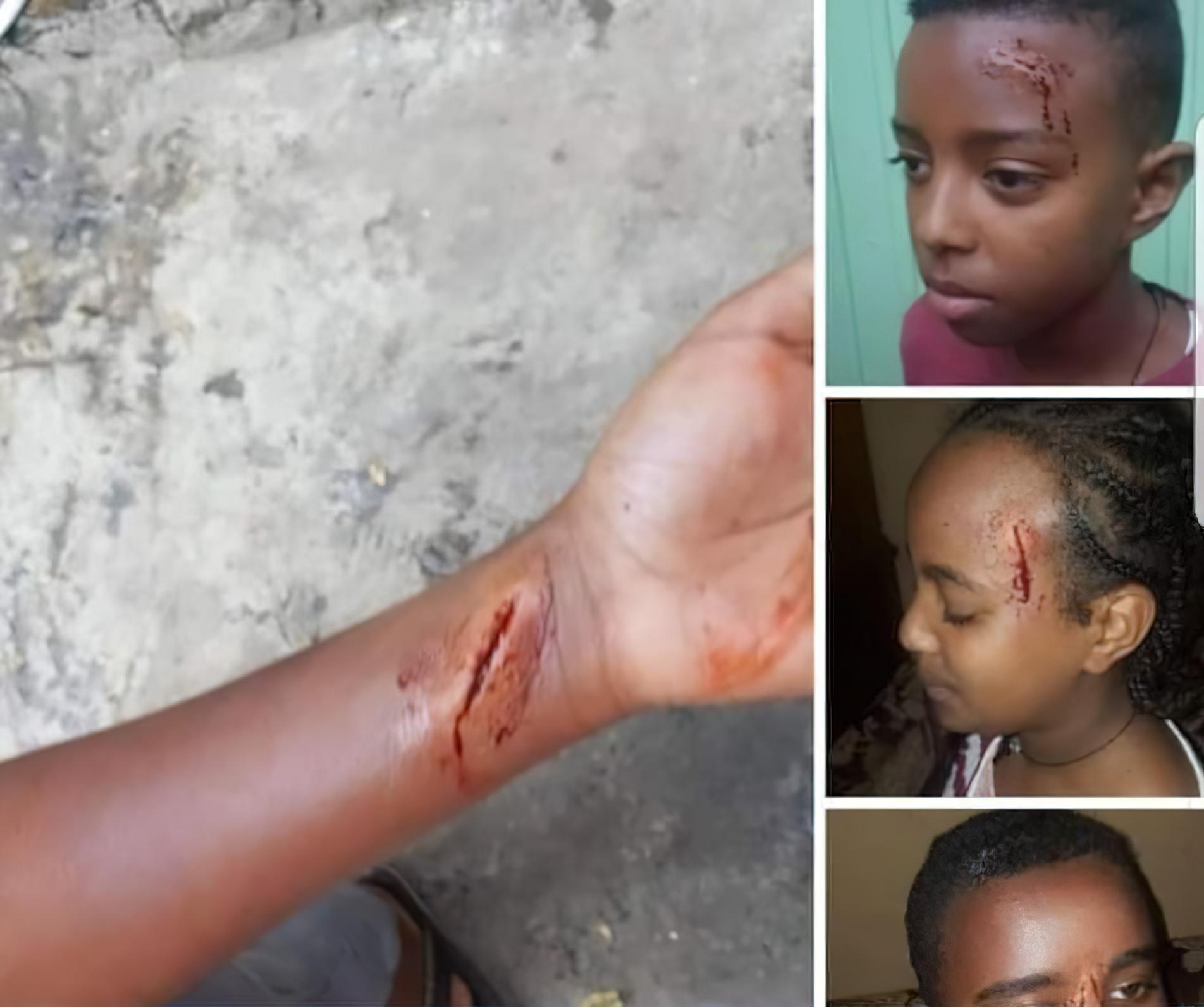
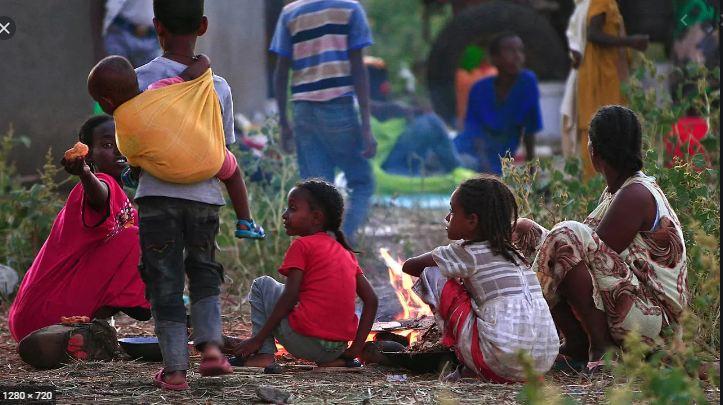 The continuing war in Tigrai is making children pass through horrific childhood experience. How much of you with children feel the pain & think of them?